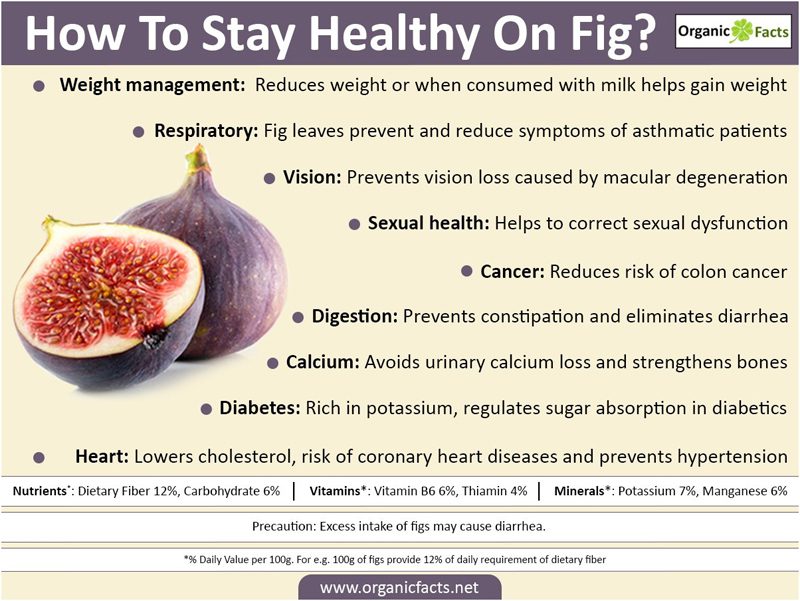

Figs are seasonal fruits that are found in the western parts of Asia, but dried figs are available almost everywhere, at any point during the year. The fig tree is a member of mulberry family.
The health benefits of figs come from the presence of minerals, vitamins and fiber contained in the fruit. Figs contain a wealth of beneficial nutrients, including Vitamin A, Vitamin B1 Vitamin B2, calcium, iron, phosphorus, manganese, sodium, potassium and chlorine.
A few of the health benefits derived from figs include:
Prevention of constipation
There are 5 grams of fiber in every three-fig serving. That high concentration of fiber helps promote healthy, regular bowel function and prevents constipation. Fiber works to add bulk and mass to bowel movements, so it not only prevents constipation, but also eliminates diarrhea and unhealthy or irregular bowel movements.
Weight loss
The fiber in figs also helps to reduce weight and is often recommended for obese people. However, their high calorie count can also result in weight gain, especially when consumed with milk. A few figs are enough to get the recommended amount of nutrients, so don’t overdo it! Remember, it is possible to have too much of a good thing.
Lower Cholesterol
Figs contain Pectin, which is a soluble fiber. When fiber moves through the digestive system, it basically mops up excess clumps of cholesterol and carries them to the excretory system to be eliminated from the body. As a soluble fiber, pectin from figs also stimulates healthy bowel movements. Figs can have a laxative effect, as they are one of the most fiber-dense foods available. High amounts of fiber in your diet can benefit your overall health by preventing certain types of abdominal cancer, as well as colon cancer.
Prevention of Coronary Heart Disease
Dried figs contain phenol, Omega-3 and Omega-6. These fatty acids reduce the risk of coronary heart disease.
Prevention of Colon Cancer
The presence of fiber helps to stimulate the elimination of free radicals and other cancer causing substances, particularly in the colon, since fiber increases the healthy movement of the bowels.
Protection against Post-Menopausal Breast Cancer
Fiber content in figs have been known to protect against breast cancer, and after menopause, the hormonal balance in women can often fluctuate. The body’s systems are so interconnected that hormones affect the immune system, which in turn affects the ability of antioxidants to fight free radicals. Free radicals are prime factors behind the development of cancer, so figs take care of one extra line of defense by providing its wealth of fiber.
Good for Diabetic patients
The American Diabetes Association recommends figs as a high fiber treat that helps promote functional control of diabetes. Figs are rich in Potassium, which helps to regulate the amount of sugar which is absorbed into the body after meals. Large amounts of potassium can ensure that blood sugar spikes and falls are much less frequent, so figs can help diabetics live a much more normal life.
Prevention of Hypertension
People usually take in sodium in the form of salt, but low potassium and high sodium level may lead to hypertension. Figs are high in potassium and low in sodium, so they are a perfect defense against the appearance and effects of hypertension, making figs a relaxing food as well, which can settle the nerves and bring some calmness to your day.
Strengthens Bones
Figs are rich in calcium, which is one of the most important components for strengthening bones and reducing the risk of osteoporosis. It is also rich in phosphorus, which encourages bone formation and spurs regrowth if there is any damage or degradation to bones.
Urinary Calcium Loss
People that maintain a high-sodium diet may be affected by increased urinary calcium loss. The high potassium content in figs helps to avoid that condition and regulates the content of waste in your urine. It minimizes the calcium you lose, while increasing the amount of uric acid and other harmful toxins which you want to get out of your body.
Prevention of Macular Degeneration
Vision loss in older people is normally due to macular degeneration. Fruits and figs are particularly good at helping you avoid this very common symptom of aging.
Relief for Throat Pain
The high mucilage content in figs helps to heal and protect sore throats. The soothing nature of figs and their natural juices can relieve pain and stress on the vocal chords.
Figs are quite useful in treating various respiratory disorders like whooping cough and asthma. They are also effective digestive aids, and they are helpful in treating constipation, indigestion, stomach ache, and various other intestinal conditions. Figs are good for fever, earache, boils, abscesses, venereal diseases and is excellent for the liver. Figs have a high level of alkaline; therefore they help to regulate the pH of the body. Figs are rich in flavonoids and polyphenols, which are antioxidants that prevent the damage caused by free radicals. Figs are known for their soothing and laxative properties, and they are also low in fat and sugar.
Figs are sweet and soft and their paste is often used as a replacement for sugar. Processed figs are used to make pies, pudding, cakes, assorted baked goods, jam, jellies and preserves.
Precaution
It is possible to have too much of a good thing and eating too many figs can cause diarrhea. Furthermore, dried figs are high in sugar and can potentially cause tooth decay. Also, there are those who are allergic to figs, or certain chemical components within them, and the resulting allergic reactions can be mild to severe. It is best not to consume too many figs in the week or two leading up to a surgery, because it can occasionally cause bleeding in the digestive tract in sensitive individuals.