
What is the difference between Whole Grains and Whole Wheat?
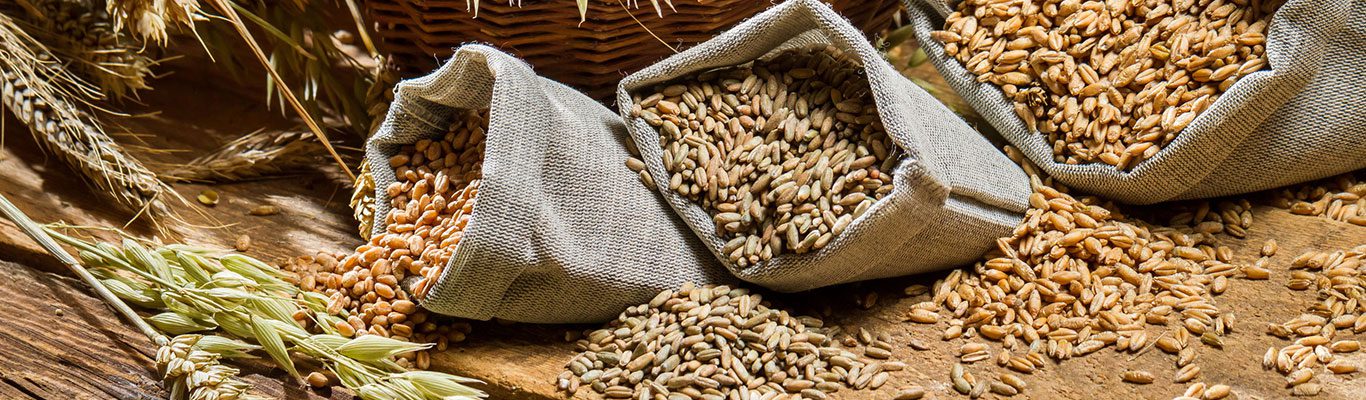
We get asked regularly, “What is the difference between whole wheat and whole grain?” Our answer is another question: “What is the difference between a carrot and a vegetable?”We all know that all carrots are vegetables but not all vegetables are carrots. It’s similar with whole wheat and whole grain: Whole wheat is one kind of whole grain, so all whole wheat is whole grain, but not all whole grain is whole wheat.
Whole grains or foods made from them contain all the essential parts and naturally-occurring nutrients of the entire grain seed in their original proportions. If the grain has been processed (e.g., cracked, crushed, rolled, extruded, and/or cooked), the food product should deliver the same rich balance of nutrients that are found in the original grain seed.
This definition means that 100% of the original kernel – all of the bran, germ, and endosperm – must be present to qualify as a whole grain.
List of Whole Grains
The following, when consumed in a form including the bran, germ and endosperm, are examples* of generally accepted whole grain foods and flours. Click here to learn more about each one.
Amaranth
Quinoa
Barley
Rice
Buckwheat
Rye
Wheat
Corn
Sorghum
Wild rice
Millet
Teff
Oats
Triticale
Whole grains can contain a lot of fiber.
Fiber is one big reason to eat whole grains. Adults need about 25 to 35 grams of fiber daily, and whole grains contain two types — soluble and insoluble — which are both beneficial to your health. Fiber’s health benefits are well known — it can help control blood sugar, lower LDL or “bad” cholesterol and reduce colon cancer risk. Not all whole grains are high in fiber, though. Focus on oats, barley and bulgur, says Delbridge.
They help digestion.
Whole grains have digestive benefits as well. The fiber content keeps bowel movements regular (studies have shown that people who eat more fiber need fewer laxatives). And they help ward off diverticulosis, the condition in which little pouches form in the colon wall, causing inflammation, constipation, diarrhea and pain. Fiber is responsible for much of the benefit, but whole grains also contain lactic acid, which promotes “good bacteria” in the large intestine. These organisms aid digestion, promote better nutrition absorption, and may even beef up the body’s immune system.
They can help lower cholesterol.
Whole grains not only help prevent your body from absorbing “bad” cholesterol, they may also lower triglycerides, both of which are major contributors to heart disease. In fact, whole grains lower the risk of heart disease overall. One study found that women who ate two to three servings of whole grain products daily were 30 percent less likely to have a heart attack or die from heart disease compared with women who ate less than one serving a week. “Any form of whole grain — including whole wheat, oats, brown rice, barley, corn, quinoa, rye, buckwheat and millet — will confer benefits for heart health,” says Cheung.”
They lower blood pressure.
The heart benefits of whole grains don’t stop with cholesterol and triglycerides. They also lower blood pressure, one of the most important risk factors for heart disease. One study found a 19 percent lower risk of hypertension among men who ate more than seven servings of whole grain breakfast cereal a week compared with those who ate one or less. A study of women also found a benefit. “Eating whole grains instead of refined grains substantially lowers blood cholesterol … triglycerides, blood pressure and insulin levels,” says Cheung. “Any of these changes would be expected to reduce the risk of heart disease.”
They can help control weight.
People who eat a lot of whole grains are more likely to keep their weight in check and less likely to gain weight over time than those who eat refined grains. In one study, women who consumed the most wheat germ, brown rice, dark bread, popcorn and other whole grains had a 49 percent lower risk of “major weight gain” over time compared with women who favored doughnuts and white bread.
They redistribute fat.
Even if eating whole grains doesn’t actually make you lose weight, studies have shown that it can help you cut down on the amount of body fat you have and lead to a healthier distribution of that fat. Specifically, eating whole grains can leave you with less belly fat — what scientists kindly call “central adiposity” — which increases your risk of diabetes and other health woes.
They help regulate blood sugar.
One of the main benefits of whole grains is that compared to refined grains, they help keep your blood glucose from spiking, which can reduce your risk of type 2 diabetes, among other things. Women in one study who ate two to three servings of whole grains a day had a 30 percent lower risk of diabetes than women who ate little or no whole grain products. One analysis found a 32 percent lower risk of diabetes in people who ate three or more servings a “Eating whole grains has been proven to have a protective effect against type 2 diabetes, so they are a smart choice for people with pre-diabetes or high risk of diabetes,” says Cheung.
They are a good source of B vitamins.
Whole grains are rich in the B vitamins thiamin, riboflavin and niacin, all of which are involved with metabolism. Another B vitamin, folate (folic acid), helps the body form red blood cells and is critical for preventing birth defects in babies. Whole grains can help, but women who are pregnant or thinking about getting pregnant need to take a multivitamin with 400 micrograms of folic acid a day. Bran is one good source of B vitamins, says Delbridge, who holds an adjunct faculty position at Arizona State University.
They deliver essential minerals.
Along with vitamins, whole grains are a great source of the minerals our bodies need to stay healthy. These include iron, which transports oxygen throughout the body and helps prevent anemia, magnesium, which builds bones, and selenium, which protects against oxidation. They also contain zinc, necessary to keep your immune system in fighting shape.
They cut markers of inflammation.
Asthma is one inflammatory condition that may be eased by consuming whole grains, but there could be others as well. One study found that whole grain barley, brown rice or a combination of the two reduced markers of inflammation in the gut. Whole grains may also cut levels of C-reactive protein, a marker of inflammation that has been linked not only with heart disease and type 2 diabetes but also problems in pregnancy such as premature birth, preeclampsia and fertility problems.
They may even lower cancer risk.
Evidence is emerging that whole grain consumption may lower the risks of certain cancers, such as colorectal, breast and pancreatic cancer. Although the evidence is mixed at this point, what will definitely lower your risk of cancer, says Delbridge, is eating a diet that includes not only whole grains but lots of fruits and vegetables and not a lot of meat or processed foods.
They may help you live longer.
Not only will whole grains help you live better, they may also help you live longer. One study of more than 40,000 postmenopausal women found that women who consumed four to seven servings a week of whole grains had a 31 percent lower risk of dying from causes other than cancer or heart disease when compared with women who had few or no whole grains in their diet. And it worked in men, too, with another study finding that men who consumed one or more servings a day of whole-grain cereal had a 17 percent reduced risk of dying than those who never or hardly ever ate it.